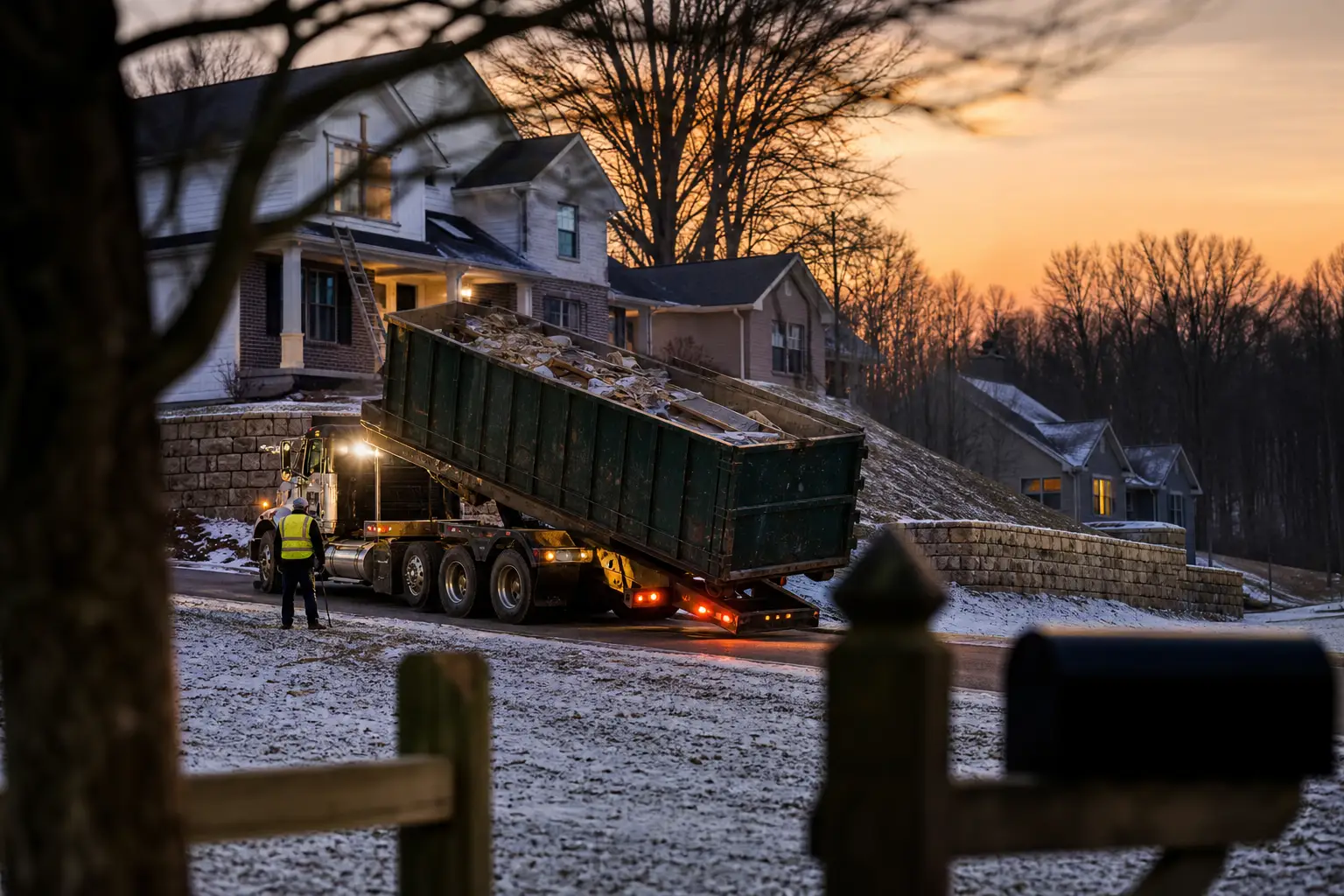
- Open 24/7, Monday to Sunday
- Serving Lake County
Project applications
St. John dumpster sizes match the work
These common project types cover the jobs we see around St. John. The best container is based on material, access, and how quickly debris will accumulate.
Residential Cleanout Dumpsters
For St. John homes, a cleanout container handles furniture, cabinets, fixtures, and boxed household debris while leaving driveway access available for the property owner.
Household debrisHome Renovation Dumpsters
Kitchen and bathroom projects in newer St. John homes often produce mixed materials. Keep drywall, flooring, trim, and removed fixtures contained as the work advances.
Remodel wasteRoofing Debris Dumpsters
Roof replacements near St. John subdivisions need a container positioned close enough for tear-off loading without crossing landscaping or blocking the garage approach.
Roofing materialYard Waste Dumpsters
Storm branches, brush, and landscape clearing can fill a container quickly in St. John’s larger yards. Separate restricted materials and keep loads below the rim.
Brush cleanupMoving and Estate Cleanouts
For a St. John move, place the container where boxes and unwanted household goods can be loaded from the driveway without interfering with movers or daily parking.
Move-out debrisSame-Day Dumpster Delivery
When a St. John project changes unexpectedly, availability can be discussed 24/7, Monday to Sunday. Access, placement, and container size still need confirmation first.
Schedule review
Storm cleanup
Load St. John yard debris below the rim
Storm cleanup in St. John often starts with fallen limbs, broken branches, and landscape debris spread across a larger residential lot. Cut brush into manageable lengths before loading, and place heavier pieces low so the load stays stable. Branches should lie flat instead of sticking upward or outward. Do not use the container as a burn pile, and keep dirt, stumps, treated materials, and other questionable items separate until their acceptance is confirmed. Wet leaves and storm debris can become heavier than expected, especially after spring rain. If the material is mostly brush, describe it accurately when arranging the rental so the container and loading plan fit the job.
Do not overfill a dumpster, even during a rushed cleanup after a summer storm. Debris should remain below the top edge, with no branches hanging over the sides. An overfilled load may need to be reduced before pickup because loose material can fall during transport. Keep the area around the container clear for the truck and avoid placing brush where it blocks the delivery approach. In St. John, soft shoulders and saturated lawn edges can make an apparently convenient placement unsuitable. Stack brush neatly, load dense material first, and leave room for the final sweep. If the project includes construction waste along with yard debris, explain the mix before delivery.
St. John conditions
St. John driveways need a placement plan
St. John is largely made up of newer suburban construction, with wider lots and longer driveways than older Lake County neighborhoods. That extra space helps, but it does not eliminate access problems. Decorative columns, landscaped edges, mailbox posts, culverts, and parked vehicles can narrow the approach for a delivery truck. Before scheduling, identify the straightest route from the street to the intended placement area. Ursula Dumpster Rental can review the location and confirm whether the container should sit on the driveway, a side approach, or another stable surface. The goal is a usable loading position without blocking garage access or damaging soft ground.
Spring rain and summer storms can leave residential shoulders and unpaved edges soft, even when the driveway itself looks solid. During freeze and thaw weather, pavement seams and lawn margins deserve extra caution. St. John properties with broad front yards may appear flexible, but a truck should not be directed across saturated turf simply to save a few steps. Keep the placement area clear of low branches and overhead lines, and mention slopes before delivery. Trucks come from Crown Point, and the route review helps match the container placement to the actual access conditions.
Newer subdivisions also create a different loading pattern from older, tighter neighborhoods. Homes may have attached garages, shared entrance drives, curving streets, and homeowners association landscaping that cannot be disturbed. A container on a public street usually needs town permission first, so explain the proposed location before assuming the curb is available. For a driveway placement, protect the surface with suitable boards if needed and leave enough room for the delivery approach. St. John Dumpster Rental planning is less about finding the biggest open patch and more about confirming truck clearance, stable ground, and safe loading from the house.
Before delivery
Prepare your St. John property first
- Clear St. John driveway access of vehicles, trailers, toys, branches, and loose materials before delivery.
- Measure the intended St. John placement area and check overhead branches, wires, gates, and landscaping.
- Tell Ursula Dumpster Rental whether the container will sit on pavement, gravel, lawn, or a public street.
- Keep household, roofing, concrete, brush, and other materials separated until accepted for your dumpster.
- Plan loading from the St. John home toward the container without blocking garage doors or neighbors’ access.
Common questions
Answers for St. John dumpster rental
What size dumpster should I rent for a St. John home renovation?
A 10 Yard container suits smaller bathroom work, while a 15 Yard or 20 Yard container generally gives flooring, kitchen, and broader renovation debris more room. A 30 Yard option fits major remodeling or bulky material. St. John homes often have roomier driveways, but placement still matters. List the rooms, materials, and access conditions before scheduling.
Can a dumpster go on my St. John driveway?
Yes, a St. John driveway is often the preferred placement when it provides stable ground, clear truck access, and enough room to load safely. Protect pavement when appropriate, and keep vehicles away from the approach. Newer subdivisions may have curving drives, landscaping, or shared access. Describe the driveway slope, surface, overhead clearance, and intended position before delivery.
How do I load storm debris in St. John?
Cut branches into manageable pieces, place heavier material low, and keep every limb below the container rim with nothing hanging over the sides. Do not mix questionable materials without checking acceptance first. St. John storms can leave wet brush heavier than expected, especially near broad yards and soft lawn edges. Keep the loading zone clear and avoid driving across saturated ground.
Can I rent a dumpster for a St. John roof replacement?
Yes, roofing debris can be placed in a dumpster selected for the tear-off volume and positioned near the St. John work area without blocking the garage or crossing landscaping. Keep shingles and related debris below the rim. Roof work often creates a concentrated loading point, so explain the roof size, driveway approach, and any overhead obstacles before delivery.
Is dumpster delivery available every day in St. John?
Ursula Dumpster Rental schedules dumpster service 24/7, Monday to Sunday, subject to confirming the container, access, placement, and project requirements. St. John delivery routes may involve newer subdivisions, shared drives, and landscaped lots that need review. Have the property address, preferred placement, project material, and any street or access concerns ready when you call.
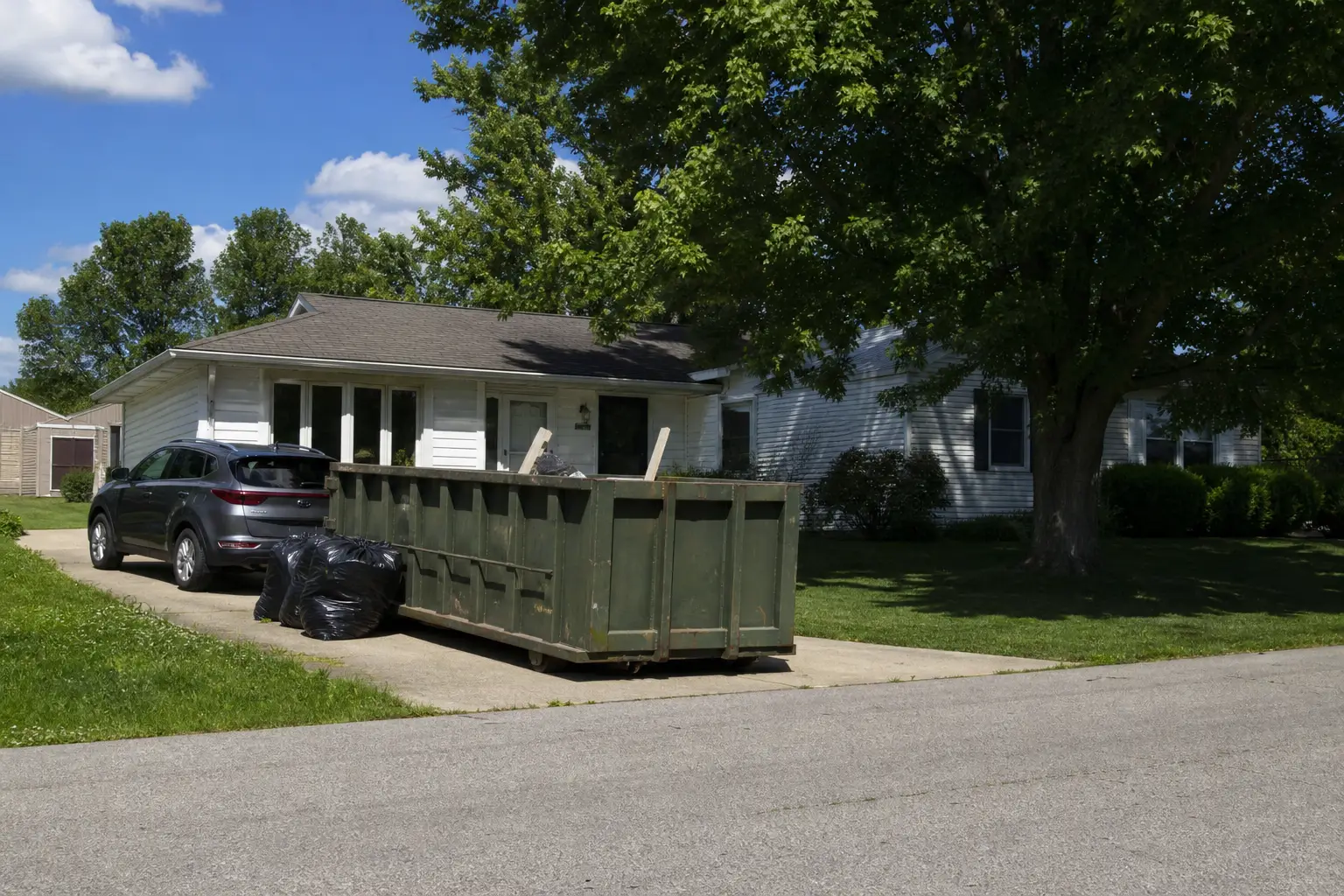
Plan the container around your St. John property
Tell Ursula Dumpster Rental what you are removing, where the container should sit, and what access conditions exist. Have the project material, driveway details, and preferred scheduling information ready when you call.
Click Here to Call(219) 361-0699Local service area
Routes across St. John neighborhoods
Ursula Dumpster Rental serves residential and commercial work throughout St. John, with delivery planning based on driveway access, road approach, and the material being loaded. The same placement review applies to a new subdivision, an established neighborhood, or a commercial corridor. Tell us whether the container belongs at a home, worksite, or business property so the truck route and loading position can be discussed clearly.